



Kitchen Cabinets in Westminster, CO are a major design feature, but when white cabinetry starts to yellow, it can instantly make a kitchen feel dated and neglected. The problem often creeps in slowly—sunlight exposure, grease, moisture, and poor finishes work together behind the scenes. Homeowners may scrub harder, repaint prematurely, or assume replacement is inevitable. That frustration grows when beautiful kitchens lose their bright, clean look despite regular care. The good news is yellowing is not unavoidable. With the right materials, finishes, placement strategies, and maintenance habits, white kitchen cabinets can stay crisp for years. This guide explains why discoloration happens and shows practical, proven ways to protect your kitchen cabinetry in Westminster’s unique environment.
Why White Cabinets Change Color Over Time
White finishes are visually clean but chemically sensitive. Yellowing is usually not dirt alone—it’s a reaction between materials, environment, and daily use.
The Role of Light Exposure in Cabinet Discoloration
Ultraviolet rays from natural sunlight break down resins and coatings used on many cabinet finishes. Over time, this causes oxidation, which shifts white tones toward cream or yellow. Kitchens with large windows, skylights, or south-facing exposure are especially vulnerable.
Heat, Cooking Residue, and Air Quality
Cooking releases airborne grease, smoke particles, and heat. These elements settle on cabinet surfaces and gradually bond with finishes. In busy kitchens, especially those without proper ventilation, this buildup accelerates color changes in white kitchen cabinetry.
Material Choices That Influence Yellowing
Not all kitchen cabinet materials age the same way. Thermofoil, laminate, painted MDF, and solid wood each react differently to light, heat, and moisture. Some finishes contain oils or resins that naturally darken as they age, even with excellent care.
How Westminster’s Climate Impacts White Cabinetry
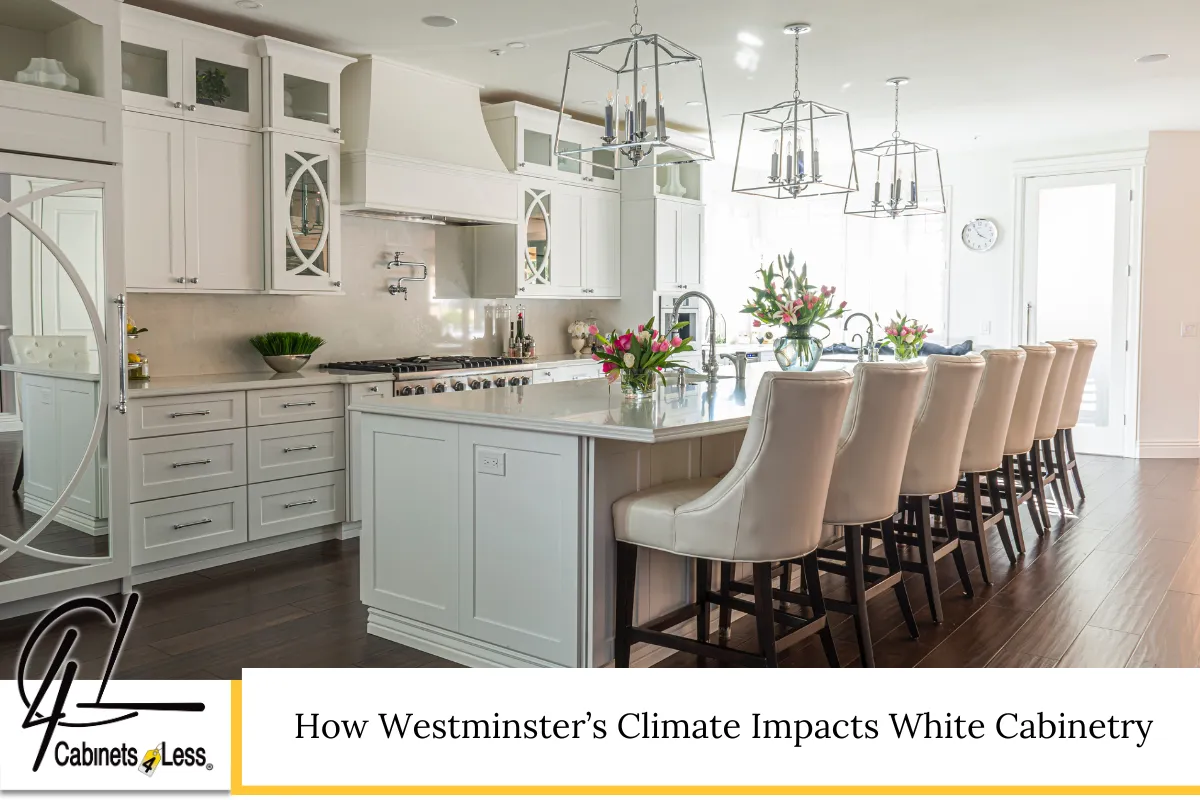
Local conditions matter more than most homeowners realize. Westminster’s seasonal changes play a direct role in how kitchen cabinets age.
Sun Intensity at Higher Elevation
Westminster’s elevation increases UV exposure compared to lower-altitude regions. Even indirect sunlight entering kitchens can speed up finish degradation on white cabinet doors and drawer fronts.
Temperature Swings and Indoor Humidity
Cold winters and warm summers cause expansion and contraction in cabinet materials. These micro-movements can weaken protective coatings, allowing discoloration to develop unevenly across kitchen cabinets.
Dry Air and Finish Breakdown
Low humidity during winter months dries out wood fibers and certain paints. Over time, this contributes to subtle color shifts and surface dullness that make white cabinetry look aged.
Choosing Cabinet Materials That Resist Yellowing
Prevention starts long before cabinets are installed. Selecting the right materials dramatically reduces long-term discoloration.
Painted Wood vs. MDF Cabinets
High-quality painted wood cabinets with professional-grade finishes tend to age more evenly than low-cost MDF with thin coatings. MDF is stable but relies heavily on the quality of its paint system to resist yellowing.
Thermofoil Cabinets: Pros and Cons
Thermofoil cabinets are easy to clean, but the vinyl layer can yellow under prolonged heat and light exposure. In kitchens with heavy cooking or strong sunlight, this option requires careful consideration.
Laminate and Acrylic Options
Modern laminates and acrylic cabinet finishes are engineered to resist UV damage. These materials are popular in contemporary kitchens where long-lasting white tones are a priority.
The Importance of High-Quality Cabinet Finishes
Finish quality often matters more than the cabinet material itself.
Water-Based vs. Oil-Based Finishes
Oil-based coatings naturally amber over time, which can alter white tones significantly. Water-based finishes are more color-stable and better suited for maintaining bright white kitchen cabinets.
UV-Resistant Topcoats
Advanced clear coats with UV inhibitors help block sunlight damage. These finishes are commonly used in premium cabinet showroom displays for a reason—they preserve color integrity.
Factory-Finished vs. Field-Finished Cabinets
Factory-applied finishes are cured under controlled conditions, resulting in harder, more uniform coatings. This consistency helps white cabinetry resist discoloration longer than on-site painted options.
Smart Kitchen Design Choices That Protect White Cabinets
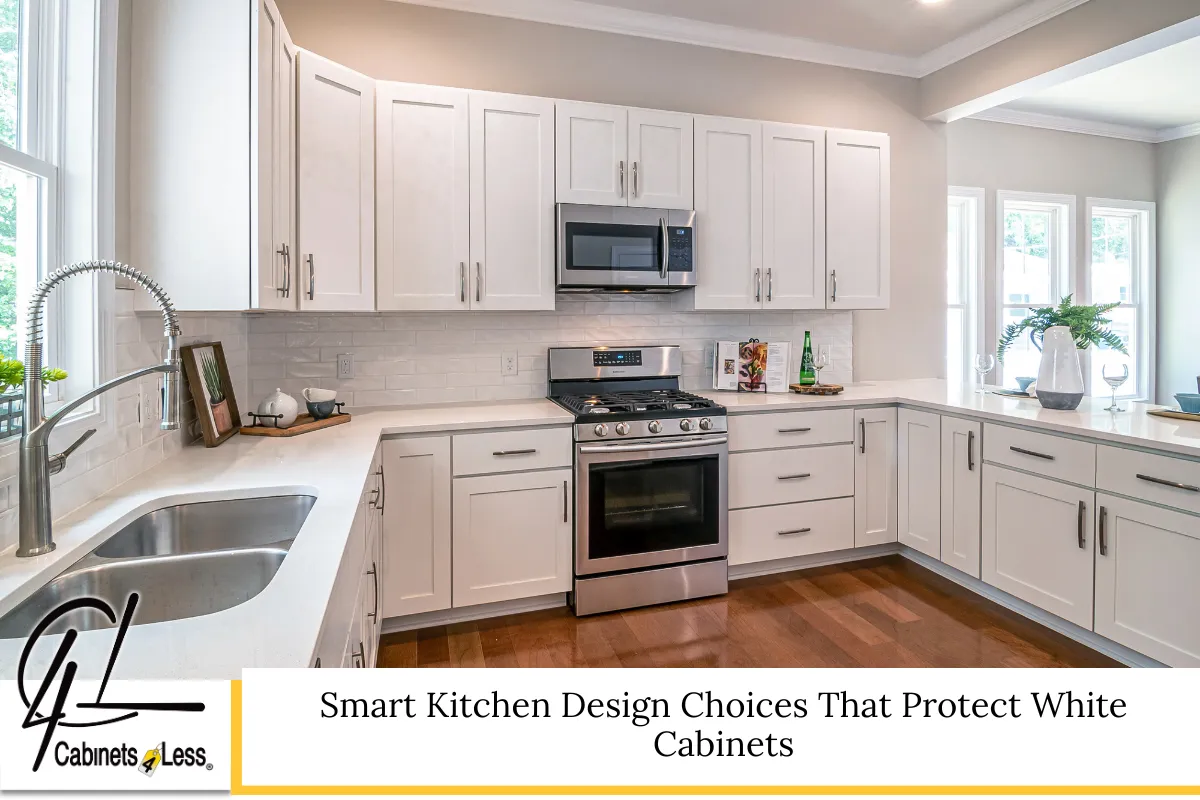
Design decisions influence how much stress cabinets face every day.
Cabinet Placement and Sun Control
Positioning tall cabinets away from direct sunlight reduces UV exposure. Window treatments like UV-filtering shades can also protect kitchen cabinetry without blocking natural light.
Ventilation That Reduces Residue Buildup
Proper range hoods and exhaust systems pull grease and moisture away from cabinet surfaces. This is one of the most effective ways to preserve white finishes in active kitchens.
Hardware and Handle Selection
Handles reduce direct hand contact with cabinet faces. Natural oils from skin can discolor white paint over time, especially around frequently used doors and drawers.
Read How Do You Clean Grease Off Kitchen Cabinets in Westminster, CO?
Cleaning Methods That Prevent Yellowing Instead of Causing It
Cleaning habits can either protect or damage cabinet finishes.
Gentle, Consistent Cleaning Routines
Regular light cleaning prevents buildup that leads to discoloration. Warm water with mild dish soap is usually sufficient for most kitchen cabinets.
Cleaning Products to Avoid
Harsh chemicals, abrasive pads, and ammonia-based cleaners break down protective coatings. Over time, this exposes underlying materials to oxidation and staining.
Addressing Grease Before It Bonds
Wiping cabinets soon after heavy cooking prevents airborne oils from hardening on surfaces. This simple habit preserves the original white tone of kitchen cabinetry.
How Cooking Habits Affect Cabinet Color
Daily routines shape long-term cabinet appearance more than many expect.
High-Heat Cooking and Steam Exposure
Frequent frying or boiling without ventilation directs heat and moisture upward. Upper cabinets near cooktops often show yellowing first due to this constant exposure.
Oils and Spices in the Air
Certain spices and oils release pigments that cling to surfaces. Over time, these microscopic particles contribute to dulling and discoloration in white kitchens.
Keeping Cabinets Cooler During Use
Using lids, adjusting fan speeds, and spacing appliances properly reduces heat stress on nearby cabinet finishes.
When Recoating or Refinishing Makes Sense
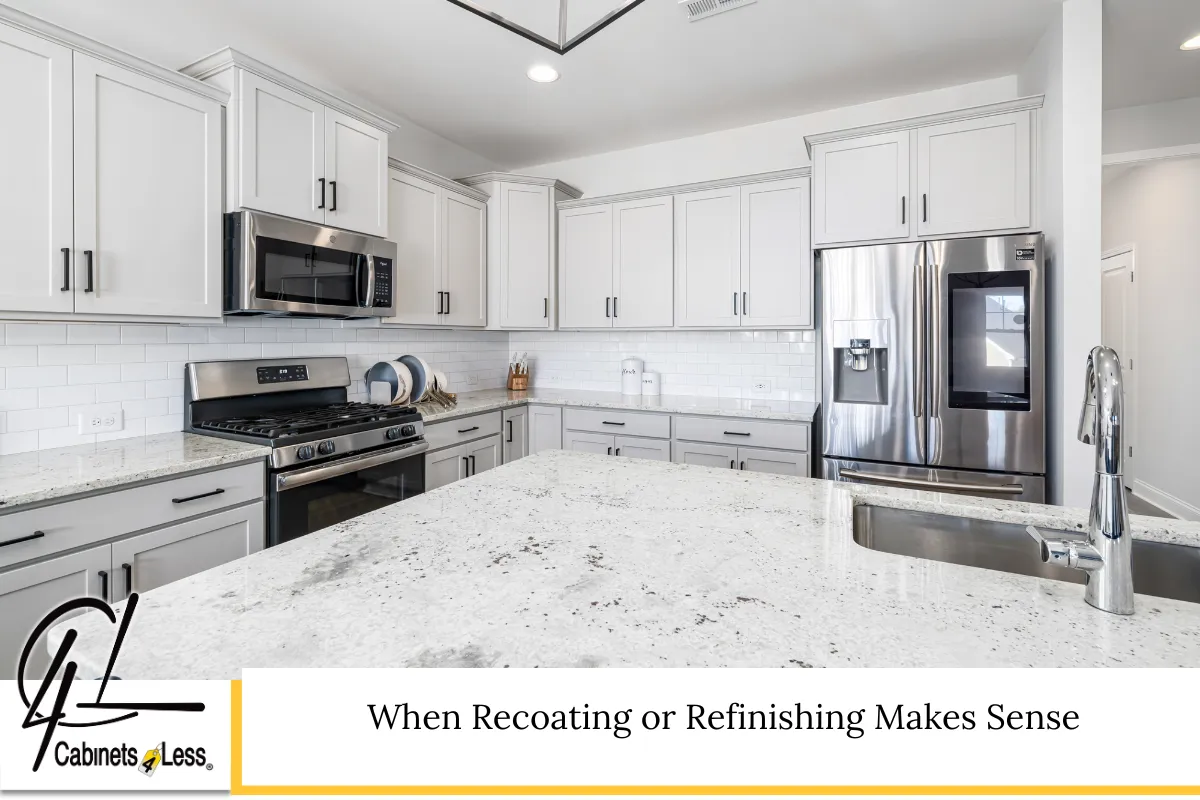
Sometimes prevention isn’t enough, especially in older kitchens.
Signs Your Cabinets Need Professional Attention
Uneven color changes, sticky surfaces, or dull patches indicate finish breakdown rather than surface dirt. These issues often require refinishing rather than cleaning.
Refinishing vs. Replacement
High-quality kitchen cabinets can often be restored with updated finishes that resist yellowing better than original coatings. This approach refreshes kitchens without full replacement.
Timing Matters
Addressing minor discoloration early prevents deeper material changes that are harder to correct later.
Maintaining White Cabinets Through Seasonal Changes
Year-round care keeps finishes stable.
Winter Care for Dry Conditions
Using humidifiers helps prevent wood movement and finish stress. Gentle cleaning during winter avoids stripping already-dry surfaces.
Summer Strategies for Sun Control
Adjusting blinds, rotating decorative panels, or applying UV films to windows can reduce light exposure during peak months.
Annual Maintenance Checks
Inspecting hinges, seals, and finish integrity once a year helps catch issues before discoloration becomes permanent.
Keeping White Cabinets Looking Bright for Years Ahead
White kitchens remain timeless when cared for intentionally. By combining thoughtful material selection, quality finishes, smart design, and consistent maintenance, homeowners can dramatically slow yellowing. Westminster kitchens face unique challenges from sunlight and seasonal shifts, but proactive choices protect both beauty and investment. With the right approach, white kitchen cabinets continue to feel fresh, modern, and inviting long after installation.
Kitchen Cabinets in Westminster, CO – C4L Cabinetry
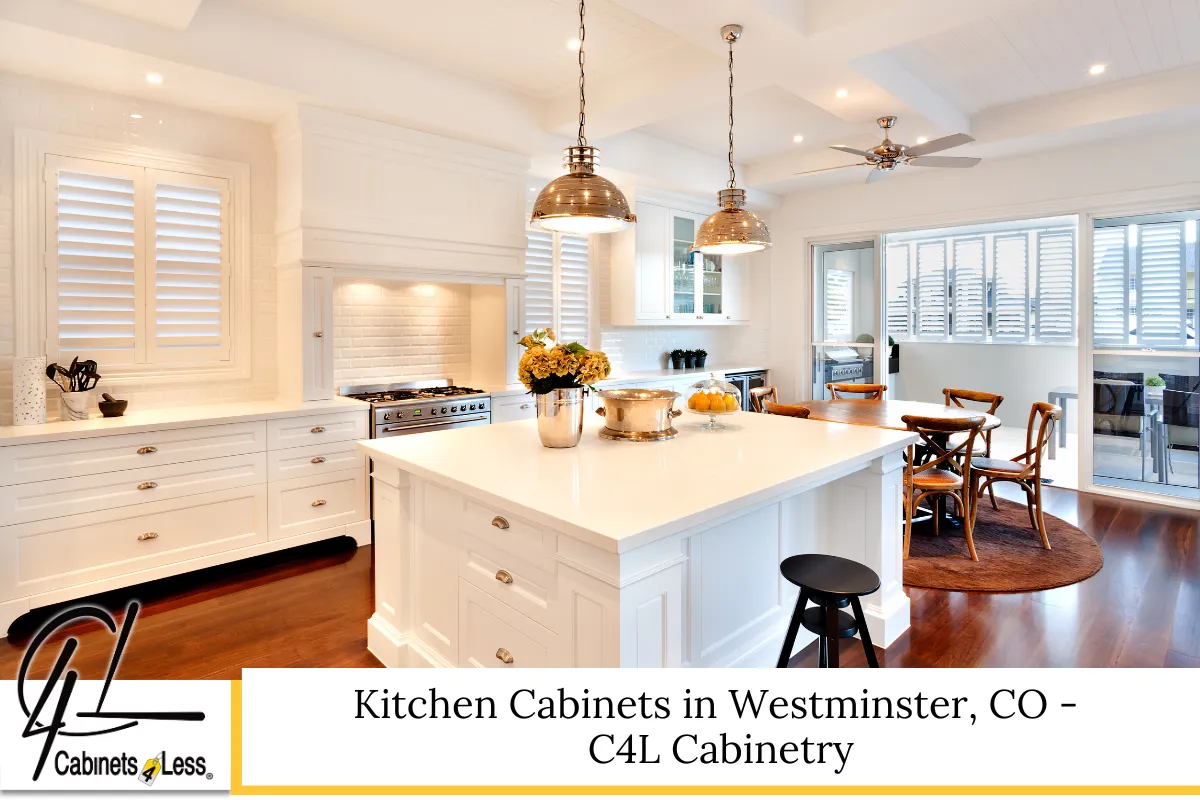
At C4L Cabinetry, we help homeowners protect and enhance their kitchen cabinets with expert guidance and high-quality cabinetry solutions. We understand how Westminster’s climate and daily kitchen use affect white finishes, and we design cabinetry that stands up to real life. Our cabinet store and cabinet showroom offer carefully selected materials and finishes chosen for durability, color stability, and long-term value. While we do not handle cabinet installation, we gladly refer clients to reputable contractors we trust. If you want kitchen cabinets that stay bright and beautiful, call us at (303) 226-4010 or visit us in Westminster, Colorado. We’re here to help you plan smarter and invest confidently.
Frequently Asked Questions
How long should white kitchen cabinets stay white before yellowing?
High-quality white kitchen cabinets can maintain their original color for 10 to 20 years when made with stable materials and protected finishes. Factors like sunlight exposure, ventilation, and cleaning habits play a major role. Cabinets near windows or cooktops may show changes sooner if not properly protected. Choosing UV-resistant finishes and maintaining consistent cleaning routines greatly extends the lifespan of white tones.
Does repainting white cabinets stop yellowing permanently?
Repainting can refresh appearance, but permanence depends on the paint system used. Water-based paints with UV inhibitors resist yellowing far better than older oil-based formulas. Proper surface preparation and professional-grade topcoats are essential. Without these, yellowing may return within a few years, especially in kitchens with heavy use.
Are matte white cabinets more prone to discoloration than glossy ones?
Matte finishes tend to absorb oils and residues more easily than glossy surfaces. This can lead to faster discoloration if cleaning is inconsistent. Glossy or satin finishes reflect light and resist buildup better, making them easier to maintain over time while preserving a white appearance.
Can indoor lighting cause cabinets to yellow?
Yes, certain types of indoor lighting can contribute. Incandescent and some halogen bulbs emit heat and UV light that can affect finishes over long periods. Switching to LED lighting reduces heat exposure and minimizes color changes, especially for cabinets near ceiling fixtures.
Is yellowing a sign of poor cabinet quality?
Not always. Even high-quality cabinets can yellow if exposed to harsh conditions. However, lower-quality finishes and materials tend to discolor faster and more unevenly. Evaluating finish type, material construction, and environmental exposure provides a clearer picture than color change alone.
Disclaimer: This article is for general informational purposes only. Cabinet performance and longevity vary based on materials, finishes, usage, and environmental conditions. Always consult cabinetry professionals for recommendations specific to your kitchen and home.
Read Westminster Bathroom Cabinets: Is It Cheaper to Build a Vanity or Buy One?


